

Environmental Engineering & Water Resources
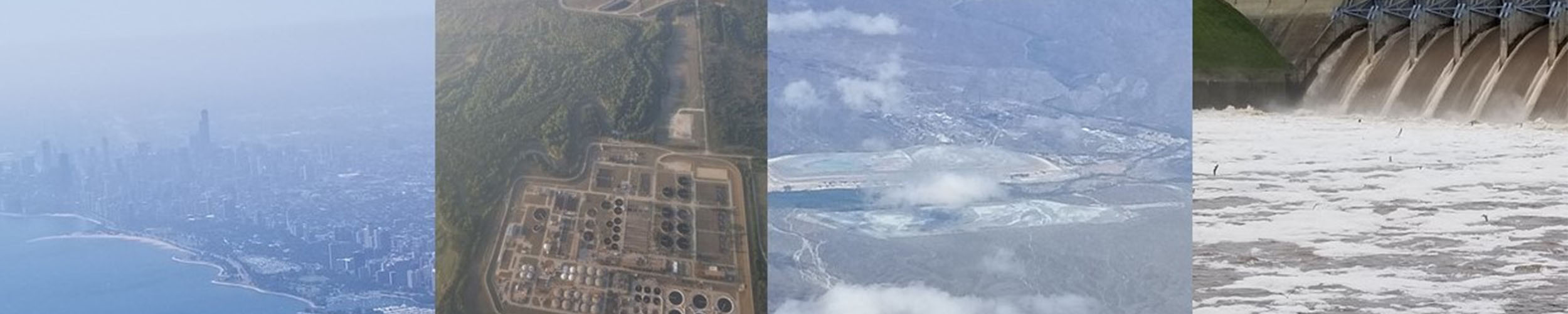
Environmental Engineering is the application of math, science and engineering principles to design technologies and advance understanding at the intersection of human civilization and the natural environment. Environmental engineers design systems that protect human health and environmental resources (air, water, and/or land resources) from pollution and similar activities.
Environmental Engineering involves the design, implementation, modeling and monitoring of water and air pollution control technologies, resource recovery and recycling systems, and the remediation of contaminated environments. Environmental Engineering also often involves knowledge and application of environmental and human risk assessment, public health science, and environmental law. Environmental Engineers often work within worldwide environmental issues such as climate change, resource management, ecological disruptions, and the effects of the global spread of pollutants.
Water resources is the area in Civil Engineering at the intersection of civilization and water resources. Water resource engineers design systems for the use and management of water resources for agricultural, industrial, household, recreational and environmental activities. Water resource engineers also study hydrological cycles and design systems for runoff management and flood control, such as dams, levees, surcharge basins, and drainage systems. Water resource engineers use tools such as geographic information systems (GIS), historical records, and hydrological modeling, and involves knowledge of water laws.
Faculty
Jorge Gonzalez Estrella, Ph.D., Assistant Professor
Mary Foltz, Ph.D., Assistant Professor
Mark Krzmarzick, Ph.D., P.E., Associate Professor
Gregory G. Wilber, Ph.D., P.E., Associate Professor
Research Focus Areas and Sample Projects
Complete biodegradation of insensitive high explosive compounds
Impact of metals on disinfection byproduct precursor formation in bacteria
Fate and transport of microplastics in Oklahoma waterways
Treatment and resource recovery from oil gas production wastewaters
Applying unmanned systems for water quality monitoring
Fate and microbial toxicity of priority pollutants in water and soil
Sample Course Listing
Undergraduate:
Environmental Chemistry for Engineers - CIVE 2081
Environmental Engineering Science - CIVE 3813
Applied Hydraulics - CIVE 3833
Hydrology - CIVE 3843
Environmental Engineering Laboratory – CIVE 3853
Unit Operations – CIVE 4833
Environmental Engineering Design - CIVE 4143
Graduate:
Aquatic Chemistry – CIVE 4013/5013
GIS Applications for Water Resources – CIVE 4033/5033
Bioremediation – CIVE 5853
Air Pollution Control Engineering – CIVE 4873/5873
Introduction to Environmental Modeling – CIVE 4883/5833
Microbiology for Engineers – CIVE 4903/5903
Water Treatment - CIVE 4933/5933
Biological Waste Treatment - CIVE 4953/5953