

Research Projects
Project Title: Direct-write Manufacturing of High-k Dielectrics for Flexible and Printed Electronics
Faculty Mentor: Prof. Srikanthan Ramesh
Disciplines: Additive Manufacturing, Printed Electronics, Materials Characterization
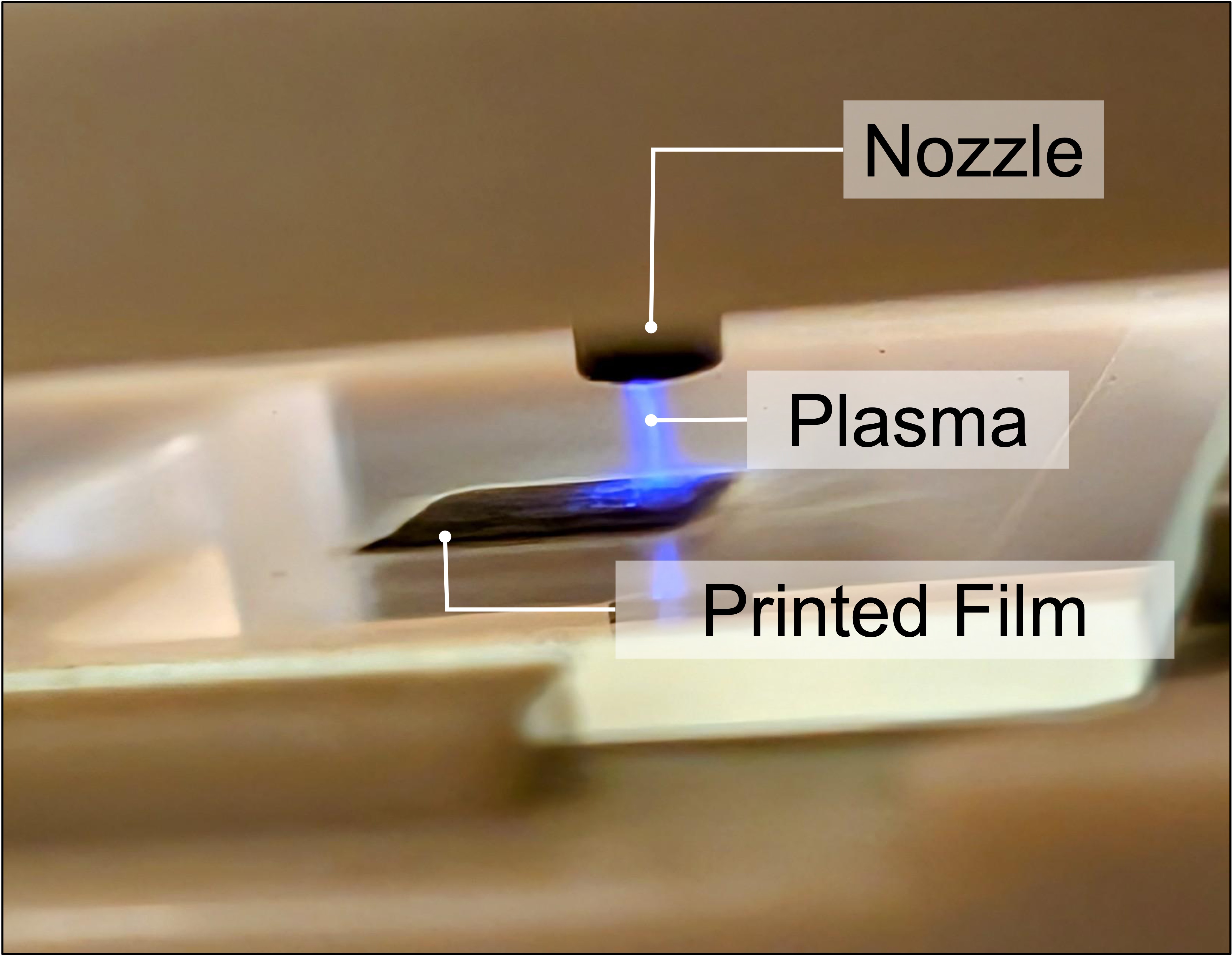
The goal of flexible and printed electronics is to fabricate circuits on polymer films by depositing functional materials from solutions, so that displays and wearable sensors can be made bendable and inexpensive over large areas. Capacitors and transistors in these circuits require a dielectric layer, and the permittivity of that layer sets the operating voltage. Polymer dielectrics have permittivities of 2-4, so transistors fabricated using them switch at tens of volts. High-k oxides such as hafnium oxide, zirconium oxide, and aluminum oxide have permittivities of 9-25 and lower the switching voltage to a few volts. These oxides are normally deposited in vacuum, which is costly and needs lithography for patterning, or cast from solution and annealed at 300-500 °C, which polymer films cannot survive. This project investigates plasma-assisted aerosol printing, in which an aerosol of a metal precursor solution passes through an atmospheric-pressure plasma jet that converts the precursor to the oxide during deposition. The substrate stays near room temperature, and the pattern is written directly without masks. The selected student will be trained to formulate precursor inks, print oxide films on glass and polymer substrates, and measure how plasma power, gas composition, flow rates, and scan speed affect film thickness, morphology, and the extent of conversion from precursor to oxide. The student will fabricate metal-insulator-metal capacitors and measure permittivity, leakage current density, and breakdown strength. Training will include aerosol printing, plasma processing, profilometry, electron microscopy, spectroscopy, and electrical measurements.
Project Title: Simulation and Estimation of Mechanical Properties of Additively Manufactured Metal Components
Faculty Mentor: Prof. Ranji Vaidyanathan
Disciplines: Materials Science and Engineering, Additive Manufacturing, Computational Modeling
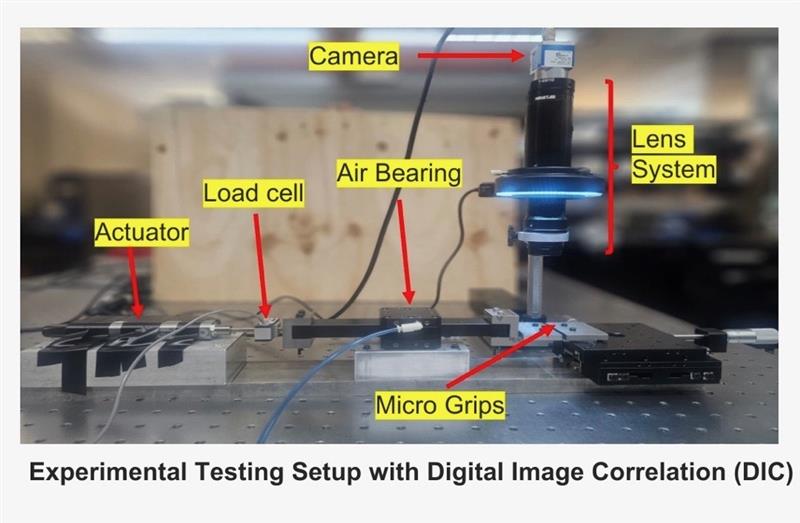
Challenges in additive manufacturing persist in testing, qualification, and certification of metallic parts, which are expensive and time-consuming due to anisotropy, residual stresses, and defects introduced during processing. These issues limit adoption of AM for primary load-bearing components. This project will focus on correlating thermal history, grain size, and local mechanical behavior in additively manufactured metals produced by Laser Powder Bed Fusion and powder-based Directed Energy Deposition. Samples provided by Virginia Tech and North Carolina A&T will be sectioned using EDM and characterized by Electron Back-Scattered Diffraction (EBSD) to determine grain size and solidification features. Ansys simulations will be employed to connect grain morphology to local yield stress predictions. Micro-tensile testing will generate location-specific modulus and fatigue properties, enabling the construction of global stiffness and fatigue property matrices. By applying boundary conditions, component lifetime can be estimated. This approach, linking grain size to thermal history and mechanical performance, offers a novel pathway to accelerate qualification of 3D printed metals. Students will gain experience in advanced materials characterization, finite element simulation, and mechanical property testing, contributing to new methods for predicting the performance and lifetime of AM components.
Project Title: 3D Bioprinting of Hydrogels for Tissue Models
Faculty Mentor: Prof. Sundar Madihally
Disciplines: Chemical and Biological Engineering, Additive Manufacturing, Materials Characterization
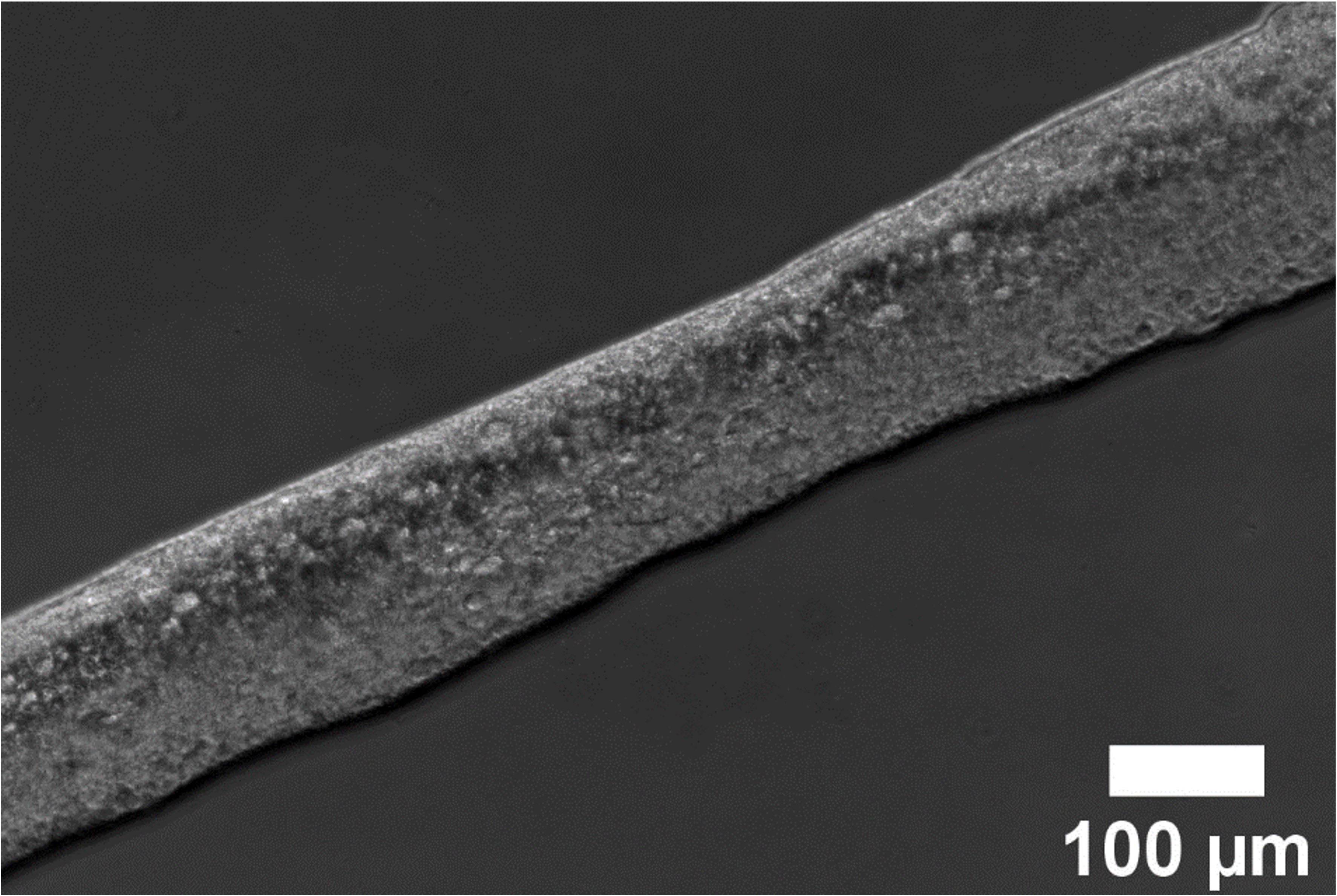
Developments in bioprinting have shown the possibility of printing cells in precise locations using hydrogels -materials with larger content of water. Developed microcapillaries using hydrogels and co-axial nozzles has seen significant interest due to wide ranging applications such as skin, liver or blood-brain barrier models. However, much of the 3D printed vasculature is greater than 0.25 mm while those in tissues are less than 0.20 mm. Addressing such challenges, we have developed low-cost 3D bioprinters (<$250) that use sterile syringes and custom-made co-axial nozzles. These 3D bioprinters use open-source software. We control the printed structures by altering flowrates and polymer compositions. Recently we upgraded the printer for portability i.e., reducing the complexity of the setup. This helps new projects that students could perform based on their interest: (i) we could add a camera for remote monitoring and 3Dprinting; (ii), one could evaluate the effect of polymer combinations with cells in the blood vessel; (iii) a few printing conditions can be tested using biocompatible hydrogel mixtures, or (iv) explore the effect of delivering drugs by encapsulating them during the printing process. Students will be trained in various experimental techniques by the investigator. Projects are tailored to the interest of the students with the intent of getting results that could be presented at national conferences.
Project Title: Engineering Self-Lubricating Nanocomposites by Cold Spray Additive Manufacturing
Faculty Mentor: Prof. Pranjal Nautiyal
Disciplines: Mechanical and Aerospace Engineering, Additive Manufacturing, Materials Characterization
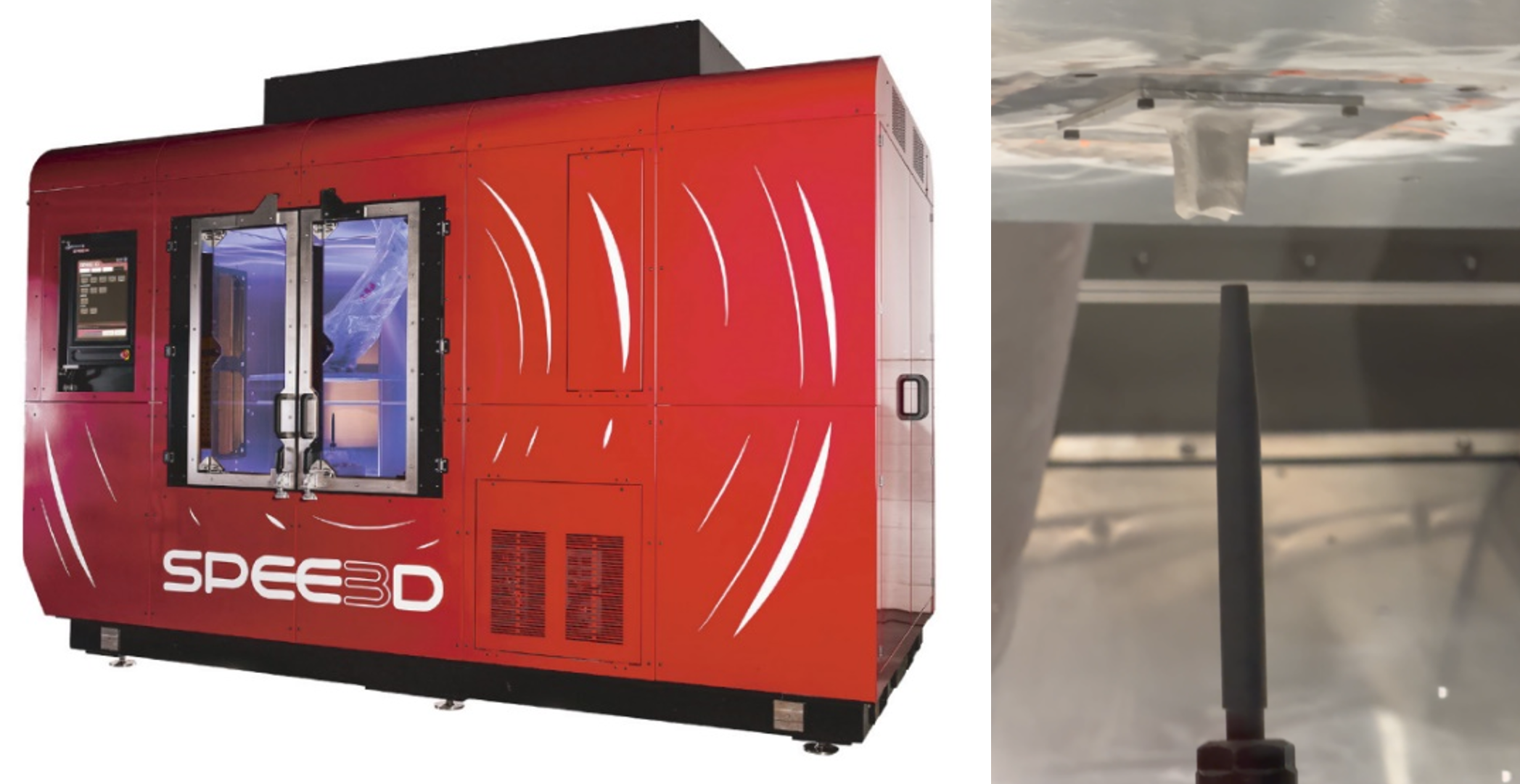
Cold spray additive manufacturing (CSAM) is an emerging solid-state deposition technique in which heated high-pressure gases (e.g., air, N₂, He) accelerate fine particles to supersonic speeds through a de Laval nozzle. Upon impact with a substrate, the particles undergo severe plastic deformation and bond without melting, thereby preserving desirable microstructural features and avoiding solidification defects. This project focuses on leveraging CSAM to engineer self-lubricating metal matrix nanocomposites by incorporating two-dimensional (2D) nanomaterials such as graphene, h-BN, and MoS₂ into ductile metal matrices. Site participants will investigate the mechanisms of impact bonding between 2D nanofillers and metallic powders, studying how process parameters influence microstructure and mechanical performance of the resulting nanocomposites. Students will further evaluate the self-lubrication behavior of the coatings through tribological testing, examining the activation of lubrication pathways under sliding contact. Training will include hands-on experience with cold spray deposition, scanning electron microscopy, metallography, nanoindentation, and in-situ tribometry. The findings will provide insights into scalable fabrication of advanced functional coatings with applications in aerospace and energy systems.
Project Title: Collaborative Design Optimization for Additive Biofabrication
Faculty Mentor: Prof. Akash Deep
Disciplines: Industrial and Systems Engineering, Additive ManufacturingAdditive biofabrication enables precise, layer-by-layer construction of biological tissues, but the inherent design complexity and variability present significant barriers to efficient development of patient-specific products. This project explores computational approaches to support collaboration between biofabrication facilities, allowing knowledge sharing to reduce design iteration cycles and accelerate product development. Site participants will engage in literature review, computational modeling, and simulation to identify strategies for optimizing design parameters and evaluating performance across different biofabrication scenarios. Students will also investigate methods for integrating design inputs from multiple sources and analyze how variability impacts product performance. The project provides training in computational modeling, data analysis, and design optimization in a biomanufacturing context, with the goal of advancing collaborative frameworks for patient-specific tissue engineering.

Project Title: Design, Additive Manufacturing, and Testing of Lightweight Aerospace Structures
Faculty Mentor: Prof. Wei Zhao
Disciplines: Mechanical and Aerospace Engineering, Composite Manufacturing, Machine Learning
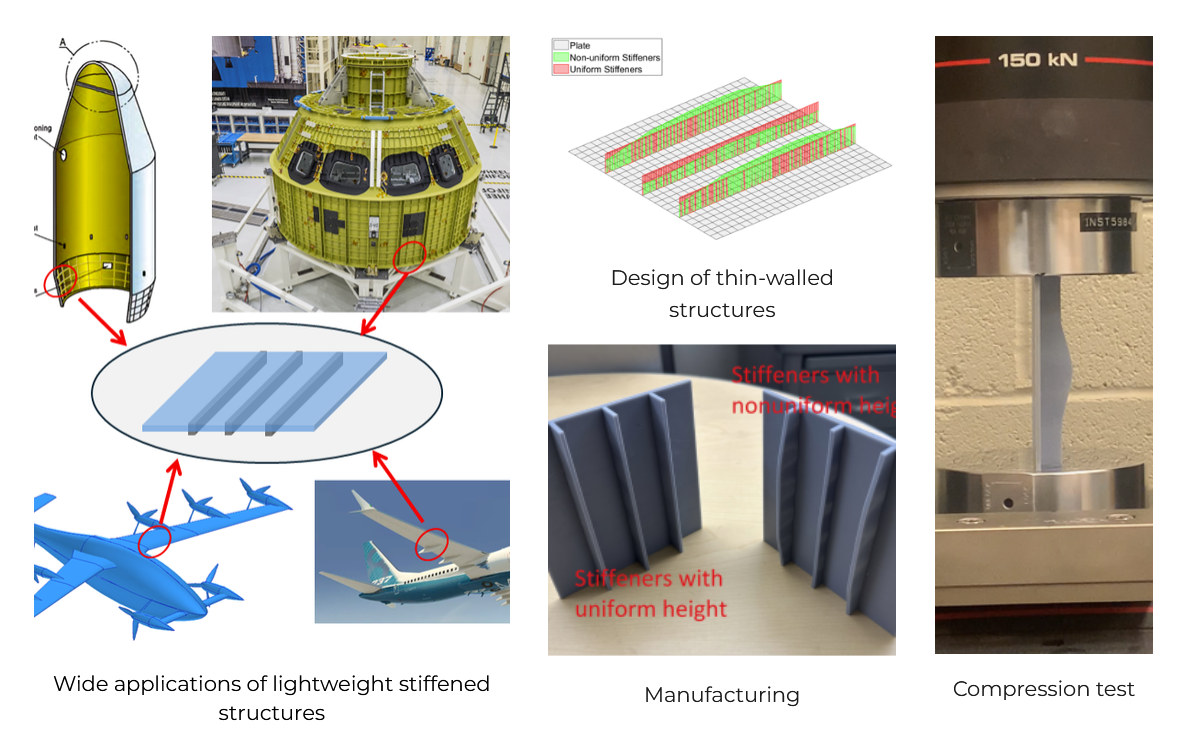
Lightweight stiffened structures are essential to aircraft wings, fuselages, and launch vehicles, where high load-carrying capacity and low structural weight are critical in the structural design. Advances in additive manufacturing enable the fabrication of complex geometries that can improve structural performance. This REU project will investigate how spatially varying stiffener geometries can improve buckling resistance without increasing structural weight compared with conventional uniform-height stiffeners. A recent study at Oklahoma State University demonstrated that nonuniform stiffeners can redistribute structural stiffness, reduce localized peaks in buckling mode shapes, and increase the buckling load. Building on this work, an undergraduate researcher will participate in an integrated design, manufacturing, and testing study to examine how different additive manufacturing approaches affect the performance of thin-walled stiffened plates. The student will develop computer-aided design models, perform finite element buckling analyses, and compare selected nonuniform stiffener designs with uniform-height baseline designs of equal weight based on benchmarks established in the previous study. The student will also conduct compression tests and simulate the experimental specimens using nonlinear finite element analysis. Specimens will be fabricated using both resin-based stereolithography (SLA) and filament-based fused deposition modeling (FDM) to evaluate how the manufacturing approach influences structural performance. Comparisons between numerical predictions and experimental measurements will assess the effects of stiffener geometry and manufacturing approach on buckling behavior and load-carrying capacity. Expected outcomes include experimentally validated numerical models, comparative performance data, and design recommendations for lightweight, stiffened structures. Under this project, the REU student researcher will gain hands-on experience in structural mechanics, computational modeling, additive manufacturing, experimental testing, and data interpretation.
Project Title: Explainable and Reliable AI for Additive Manufacturing
Faculty Mentor: Prof. Sharmin Jahan
Disciplines: Computer Science, Cybersecurity, Smart Manufacturing
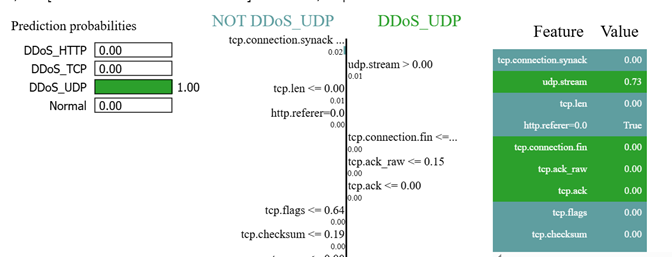
Additive manufacturing (AM) increasingly uses deep learning (DL)-based image analysis to automatically detect defects and faults in manufactured parts. However, high detection accuracy does not always mean that a DL model is reliable or trustworthy, especially when image quality and manufacturing conditions change. This project addresses the key research question: How can Explainable AI (XAI) be used to evaluate the reliability, stability, and trustworthiness of DL models for image-based fault detection in additive manufacturing? The main objective is to use XAI to understand which image features influence model predictions, whether the model's explanations accurately reflect its decisions, and whether its predictions and explanations remain consistent under different conditions. The research will (1) develop a DL model to detect and classify AM faults from images; (2) use XAI to identify the image features and regions that influence model decisions and evaluate the fidelity of these explanations; (3) examine the stability of model predictions and explanations under changes in image noise, lighting, orientation, resolution, and manufacturing conditions; (4) combine fidelity and stability measures to evaluate the reliability and trustworthiness of the DL model; and (5) validate the approach using representative AM image datasets and realistic manufacturing scenarios. The expected outcome is an XAI-based framework for evaluating whether DL models provide reliable, stable, and trustworthy fault detection in additive manufacturing.
Project Title: In-situ process authentication for fused filament fabrication using streamline video analysis
Faculty Mentor: Prof. Wenmeng Tian
Disciplines: Additive Manufacturing, In-situ Process Monitoring, Machine Learning
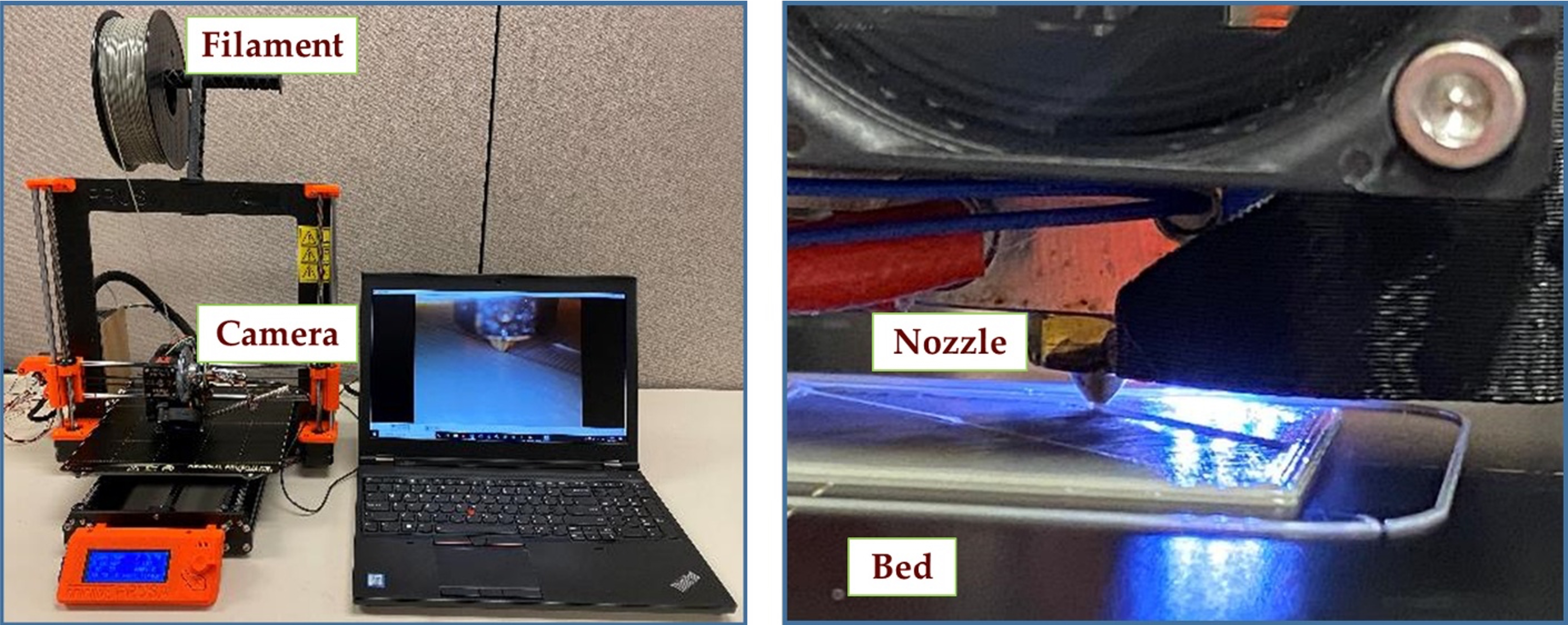
In cyber-physical systems (CPS) of additive manufacturing (AM), cyber-attacks may significantly alter the design of the AM part, compromising its mechanical properties and functionalities. In-situ process alteration detection may ensure that the AM part is fabricated as intended. This will prevent catastrophic geometric changes and mechanical property compromises in the AM parts, ultimately improving the AM process security. The objective of this work is to develop a machine-learning driven model for process alteration detection based on in-situ video analysis. Major research tasks include testbed design and calibration for a fused filament fabrication (FFF) process, experimental design and data collection, as well as in-situ process authentication algorithm design and evaluation.
Project Title: Privacy-preserving Design Verification in Additive Manufacturing
Faculty Mentor: Prof. Paritosh Ramanan and Prof. Sri Ramesh
Disciplines: Additive Manufacturing, Cybersecurity, Industrial Engineering
Additive manufacturing workflows are inherently digital, wherein a part is represented at every stage, from design and process planning to build preparation and fabrication, as data that can be copied, modified, or reverse engineered. These stages are increasingly outsourced across multiple organizations and service providers, which necessitates the exchange of proprietary design data among parties that do not trust one another. While this challenge exists across all stages of the additive manufacturing workflow, the project focuses on the design stage, in which the geometry and design parameters that define a part are first generated and exchanged. The project addresses security and privacy challenges in design outsourcing in additive manufacturing. It addresses existing pain points wherein verifying design parameters requires disclosures of private data for establishing correctness. The research addresses this gap by developing secure and privacy preserving guarantees for design decisions across multiple distrusting entities. Closing these gaps require a thorough evaluation of the computational, security and privacy metrics for varied types of design workloads. REU students will also implement and evaluate the computational performance of their approaches using real-world additive manufacturing design files and design facilities available in Dr. Ramesh's lab and real additive manufacturing experiments supported by the CYPRESS testbed that is currently in use at Dr. Ramanan's DISys Lab at OSU. Students will gain valuable research and implementation experience with respect to data analytics, privacy, control systems, and AI-driven frameworks. The project will be co-advised by Dr. Ramanan and Dr. Ramesh.

Project Title: Decentralized Blockchain-Driven Cyberattack Detection for Control Systems in Additive Manufacturing
Faculty Mentor: Prof. Paritosh Ramanan
Disciplines: Industrial Engineering, Additive Manufacturing, Cybersecurity
This REU project focuses on developing decentralized, privacy-preserving methods for detecting cyberattacks on Industrial Control Systems (ICS) used in Additive Manufacturing (AM) networks. Students will investigate how data-driven attacks propagate across interconnected AM facilities producing critical components for sectors such as defense and healthcare. The project will explore how blockchain technologies can enhance trust, traceability, and distributed situational awareness without sharing raw data. Leveraging Bayesian inference, participants will develop algorithms capable of identifying coordinated attacks using streaming sensor data while ensuring data confidentiality and scalability. The methods aim to reduce false alarms, improve response time, and maintain product reliability across the AM supply chain. The REU team will implement and benchmark their decentralized framework on a real blockchain network within the CYPRESS testbed at the DISys Lab (at OSU). Training will provide hands-on experience in data analytics, privacy engineering, control systems, and blockchain integration, equipping students with key competencies for next-generation cybersecurity and manufacturing systems research.
